21 Mistakes Tourists Make When Visiting Australia
Australia is one of the most exciting travel destinations on the planet. From stunning beaches and vibrant cities to unique wildlife and epic road trips, there’s no shortage of unforgettable experiences.
However, many first-time visitors make the same mistakes that can lead to unnecessary expenses, missed opportunities, and even safety risks. Before you pack your bags, learn about these common travel pitfalls so you can make the most of your Australian adventure.
1. Underestimating Australia’s Size
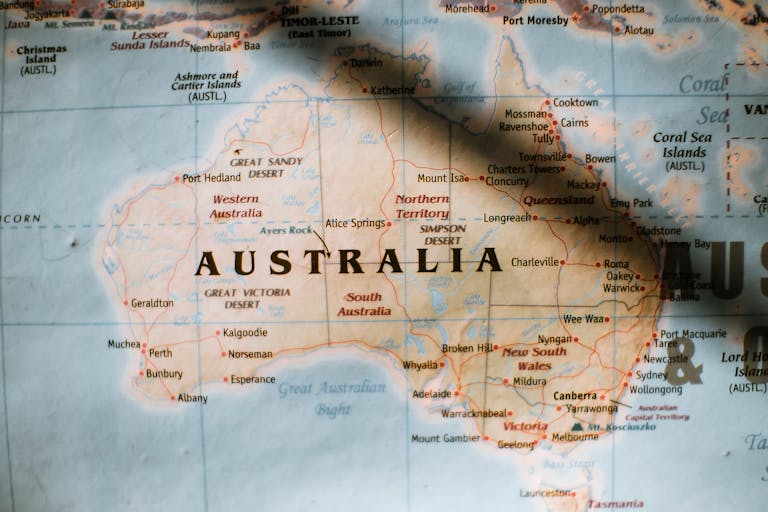
One of the biggest mistakes tourists make is assuming they can see the entire country in a week or two.
Australia is enormous. Flying from Sydney to Perth takes about five hours, and driving between major attractions can involve hundreds or even thousands of kilometres.
Instead of trying to see everything, focus on one or two regions and explore them properly.
2. Forgetting That Seasons Are Reversed
Many visitors arrive expecting summer weather in July and are surprised by cooler temperatures.
Remember:
- Summer: December to February
- Autumn: March to May
- Winter: June to August
- Spring: September to November
Always check seasonal conditions before booking.
3. Not Wearing Enough Sunscreen
Australia has some of the highest UV levels in the world.
Even on cloudy days, visitors can get sunburned surprisingly quickly.
Use SPF 50+ sunscreen, wear a hat, sunglasses, and seek shade during peak afternoon hours.
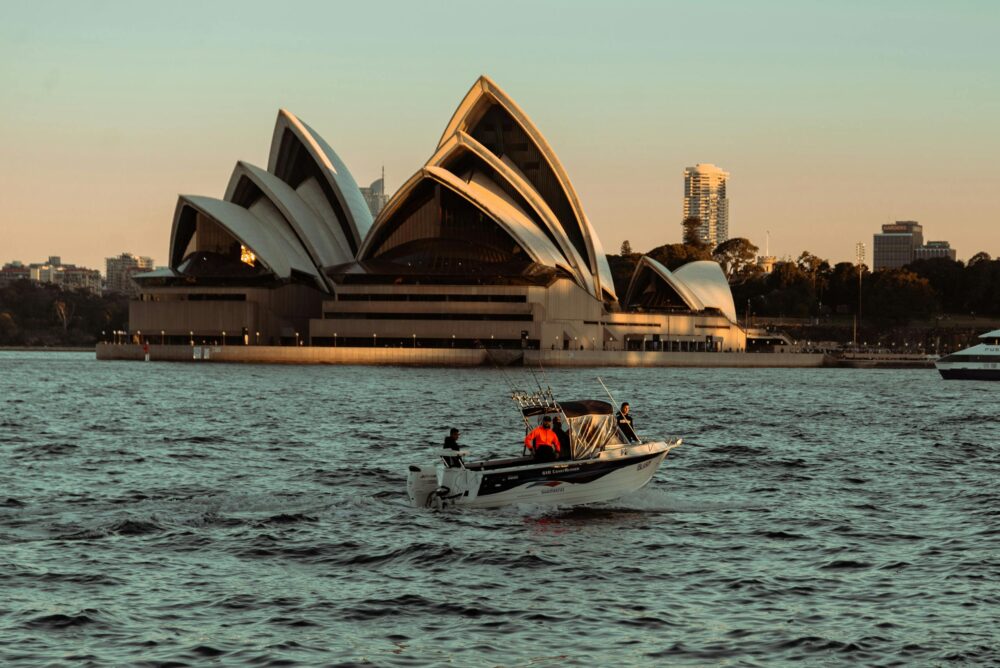
4. Spending All Their Time in Sydney
Sydney is incredible, but it’s only one part of Australia.
Many travellers never venture beyond the city and miss out on:
- Melbourne’s cultural scene
- Tasmania’s wilderness
- Queensland’s tropical beaches
- Western Australia’s stunning coastline
- The Australian Outback
5. Trying to Visit Too Many Places
Travelers often create unrealistic itineraries packed with flights and long drives.
Instead of checking destinations off a list, allow time to actually enjoy them.
A slower itinerary almost always leads to a better experience.
6. Ignoring Regional Australia
Some of Australia’s most memorable destinations are outside major cities.
Consider visiting:
- Byron Bay
- Noosa
- Margaret River
- Port Douglas
- The Blue Mountains
- Kangaroo Island
Regional Australia often provides a more authentic experience.
7. Swimming Outside Designated Areas
Australian beaches are beautiful but can also be dangerous.
Always swim between the red and yellow flags where lifeguards patrol.
Strong currents, known as rip currents, can quickly pull swimmers away from shore.
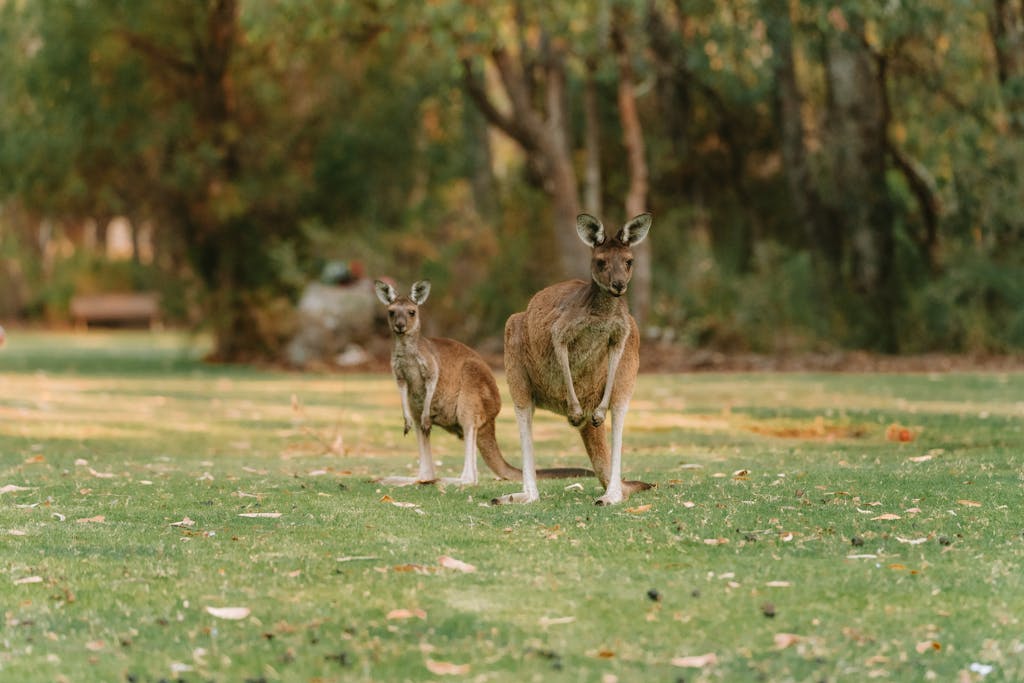
8. Getting Too Close to Wildlife
Australia’s wildlife is amazing, but wild animals should always be respected.
Avoid:
- Feeding wild animals
- Touching koalas
- Approaching kangaroos
- Disturbing marine life
Observe from a safe distance and follow local guidelines.
9. Assuming Every Animal Is Dangerous
Popular culture often portrays Australia as full of deadly creatures.
While venomous animals exist, most tourists never encounter them.
Australia is generally a very safe destination when visitors follow basic safety advice.
10. Forgetting to Book Popular Attractions Early
Many first-time visitors assume they can buy tickets upon arrival.
Popular experiences often sell out, especially during peak seasons.
Examples include:
- Great Barrier Reef tours
- Sydney Harbour cruises
- Uluru experiences
- Whale-watching tours
- Luxury accommodation
Book early whenever possible.
11. Underestimating Travel Costs
Australia is not a budget destination.
Visitors are often surprised by:
- Hotel prices
- Restaurant costs
- Domestic flights
- Car rentals
Building a realistic travel budget helps avoid unpleasant surprises.

12. Skipping Travel Insurance
Medical care in Australia is excellent, but healthcare costs can be expensive for international visitors.
Travel insurance is strongly recommended for all visitors.
13. Driving Long Distances Without Planning
Road trips are a fantastic way to see Australia, but distances can be vast.
Before driving:
- Check fuel availability
- Carry water
- Download offline maps
- Tell someone your route
This is especially important in remote regions.
14. Not Respecting Indigenous Culture
Australia’s Aboriginal and Torres Strait Islander cultures are among the oldest living cultures in the world.
Visitors should:
- Learn about local traditions
- Respect sacred sites
- Participate in cultural tours
- Follow photography restrictions where applicable
Understanding Indigenous heritage adds depth to any Australian journey.
15. Visiting the Great Barrier Reef Without Research
Not all reef tours are equal.
Research operators carefully and choose those with strong environmental practices and knowledgeable guides.
A quality tour can make a huge difference to your experience.
16. Assuming Public Transport Works Everywhere
Major cities have excellent transport networks.
However, many regional destinations require:
- Rental cars
- Domestic flights
- Organised tours
Always check transportation options before finalising your itinerary.
17. Packing for Only One Climate
Australia has multiple climate zones.
You could experience:
- Tropical heat in Queensland
- Cool evenings in Tasmania
- Desert temperatures in the Outback
Pack layers and prepare for changing conditions.
18. Missing Australia’s Food Scene
Many visitors focus solely on sightseeing.
Australia also offers:
- World-class coffee
- Fresh seafood
- Award-winning wines
- Multicultural cuisine
- Excellent brunch culture
Food can become one of the highlights of your trip.
19. Staying Connected Without a Local SIM Card
International roaming can be expensive.
Many travellers save money by purchasing a local SIM card or eSIM shortly after arrival.
This also improves navigation and communication during road trips.
20. Not Allowing Time for Jet Lag
Australia is a long-haul destination for most international travellers.
Many visitors schedule busy activities immediately after arrival and end up exhausted.
Allow at least a day to adjust before tackling a packed itinerary.
21. Leaving Australia Without Seeing Nature
Australia’s cities are wonderful, but the country’s greatest treasures are often found outdoors.
Make time for:
- National parks
- Rainforests
- Beaches
- Wildlife encounters
- Coastal walks
- Desert landscapes
Nature is what makes Australia truly unique.
Australia rewards travellers who arrive prepared. By avoiding these common mistakes, you’ll enjoy a smoother, safer, and more memorable trip. Whether you’re exploring Sydney Harbour, snorkeling the Great Barrier Reef, driving along the Great Ocean Road, or discovering hidden gems in regional Australia, a little planning goes a long way.
Take your time, embrace the local lifestyle, respect the environment, and don’t try to see everything at once. Australia is a destination that deserves to be savoured, not rushed.
https://www.thisweekinaustralia.com/ultimate-australia-travel-guide-for-first-time-visitors/