Dealing with Wildlife Encounters in Australia
Australia is home to a diverse array of wildlife, from kangaroos to koalas, and encounters with these animals are a common occurrence for residents and visitors alike. While these encounters can be thrilling and memorable, they can also pose risks if not approached with caution and respect. In this article, we will explore some tips for dealing with wildlife encounters in Australia to ensure both your safety and the well-being of the animals.
**Understanding Wildlife Behavior**
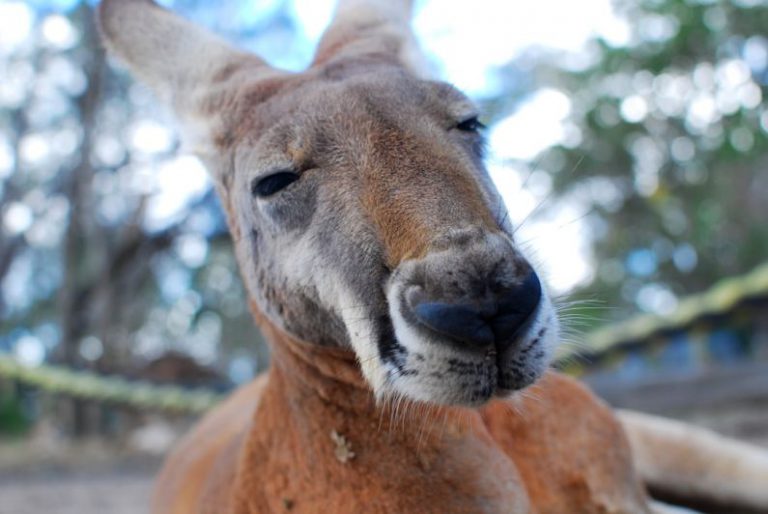
One of the key aspects of dealing with wildlife encounters in Australia is understanding the behavior of the animals you may encounter. Different species have different habits and tendencies, and being aware of these can help you predict their actions and react accordingly. For example, kangaroos are known to be territorial and may become aggressive if they feel threatened, while koalas are generally docile but can become stressed if approached too closely.
**Maintaining a Safe Distance**
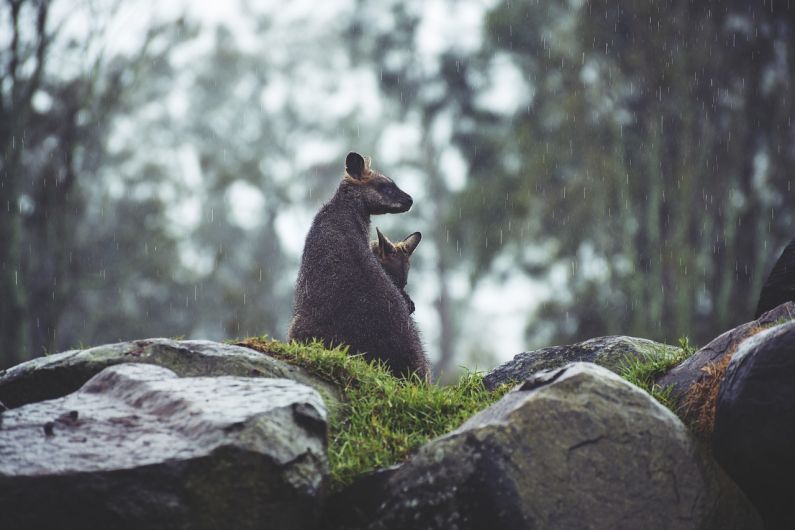
When encountering wildlife in Australia, it is important to maintain a safe distance to avoid any potential conflicts or accidents. Approaching animals too closely can provoke defensive behaviors, especially if they are with their young. As a general rule of thumb, it is recommended to stay at least 30 meters away from kangaroos and wallabies, and at least 5 meters away from koalas and other smaller animals.
**Respecting Their Environment**
Wildlife in Australia is often encountered in their natural habitats, and it is crucial to respect their environment when interacting with them. Avoid feeding wild animals as it can disrupt their natural diet and behavior, and always dispose of trash properly to prevent attracting unwanted wildlife to populated areas. Additionally, be mindful of noise levels and avoid disturbing nesting sites or breeding grounds.
**Handling Encounters Safely**
In the event of a close encounter with wildlife, it is important to remain calm and avoid sudden movements that may startle the animals. If you find yourself in a potentially dangerous situation, slowly back away while keeping the animal in your line of sight. Do not run or turn your back on the animal, as this may trigger a chase response. Remember that most wildlife encounters can be enjoyable if approached with caution and respect.
**Seeking Professional Help**
If you encounter injured or distressed wildlife in Australia, it is best to seek help from trained professionals rather than attempting to handle the situation yourself. Contact local wildlife rescue organizations or national parks authorities who have the expertise and resources to assist with injured or orphaned animals. Attempting to rescue or care for wildlife without proper training can do more harm than good.
**Appreciating from Afar**
While it can be tempting to get up close and personal with Australia’s unique wildlife, sometimes the best way to appreciate them is from a distance. Observing animals in their natural habitats without disturbing them allows you to witness their behavior and interactions without causing any stress or harm. Remember that wildlife encounters are a privilege and should be enjoyed responsibly.
**In Summary**
Encountering wildlife in Australia can be a memorable and enriching experience, but it is important to approach these encounters with care and respect. Understanding wildlife behavior, maintaining a safe distance, respecting their environment, handling encounters safely, seeking professional help when needed, and appreciating from afar are key principles to keep in mind when interacting with Australia’s diverse wildlife. By following these guidelines, you can enjoy meaningful wildlife encounters while ensuring the well-being of the animals and yourself.